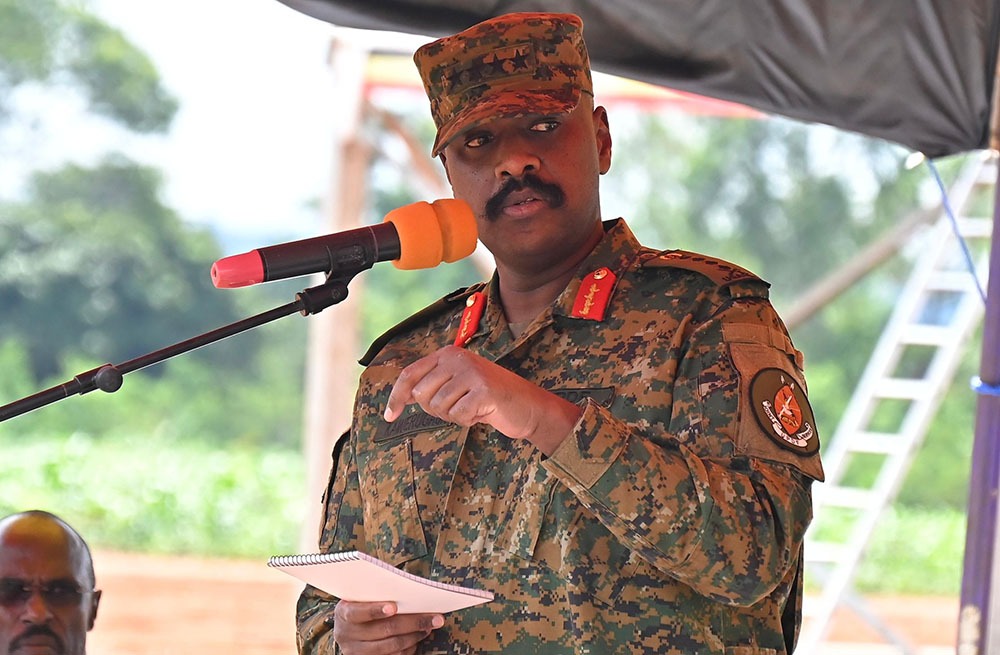
The United States is reassessing its security relationship with Uganda after the country’s Chief of Defence Forces, General Muhoozi Kainerugaba, crossed what U.S. lawmakers describe as a “red line.”
The Senate Foreign Relations Committee chairman, Jim Risch of Idaho, has dismissed Muhoozi’s public apology as hollow and insufficient, calling for tougher sanctions and a review of military cooperation between Washington and Kampala.
In a statement released on Friday, Risch said Muhoozi, the son of President Yoweri Museveni and a likely successor, had gone too far despite deleting controversial social media posts and apologizing to the United States.
The senator urged President Donald Trump’s administration to reevaluate the U.S.-Uganda security partnership, warning that American personnel, U.S. interests, and civilian lives in the region are at risk.
Risch stressed that “removing posts and offering apologies failed to match the gravity of the matter or the potential threat to U.S. interests and regional stability.”
He added that the United States would not tolerate what he called “instability and recklessness” when American personnel and interests are at stake.
Muhoozi had issued a public apology earlier after facing international calls for sanctions over alleged human rights abuses linked to Uganda’s disputed January general elections.
In his statement on January 30, he said he had deleted his previous tweets, admitted to being misinformed, and acknowledged that his remarks had drawn global condemnation.
He further noted that he had spoken with the U.S. Ambassador to Uganda and insisted that relations between the two countries remained strong, with military cooperation continuing as usual.
According to the UPDF chief, the apology was meant to address concerns that his posts had strained Uganda’s ties with key international partners, particularly the United States, one of Kampala’s most important allies.
Uganda also moved to ease the diplomatic tension through its embassy in Washington, with Ambassador Adonia Ayebare intervening to calm the situation.
Ayebare later said the matter had been resolved, maintaining that relations with the United States remained strong, mutually beneficial, and a top priority for Uganda.
The controversy comes after Risch had earlier called for sanctions due to reports of election-related violence, which followed claims by opposition leader Bobi Wine that masked soldiers raided his home and assaulted his family.